


里昂智库 | 免费vpn商学院高级顾问David Gosset:裕仁1945年《终战诏书》与和平的阴影
来源:法国里昂商学院时间:2025-08-20
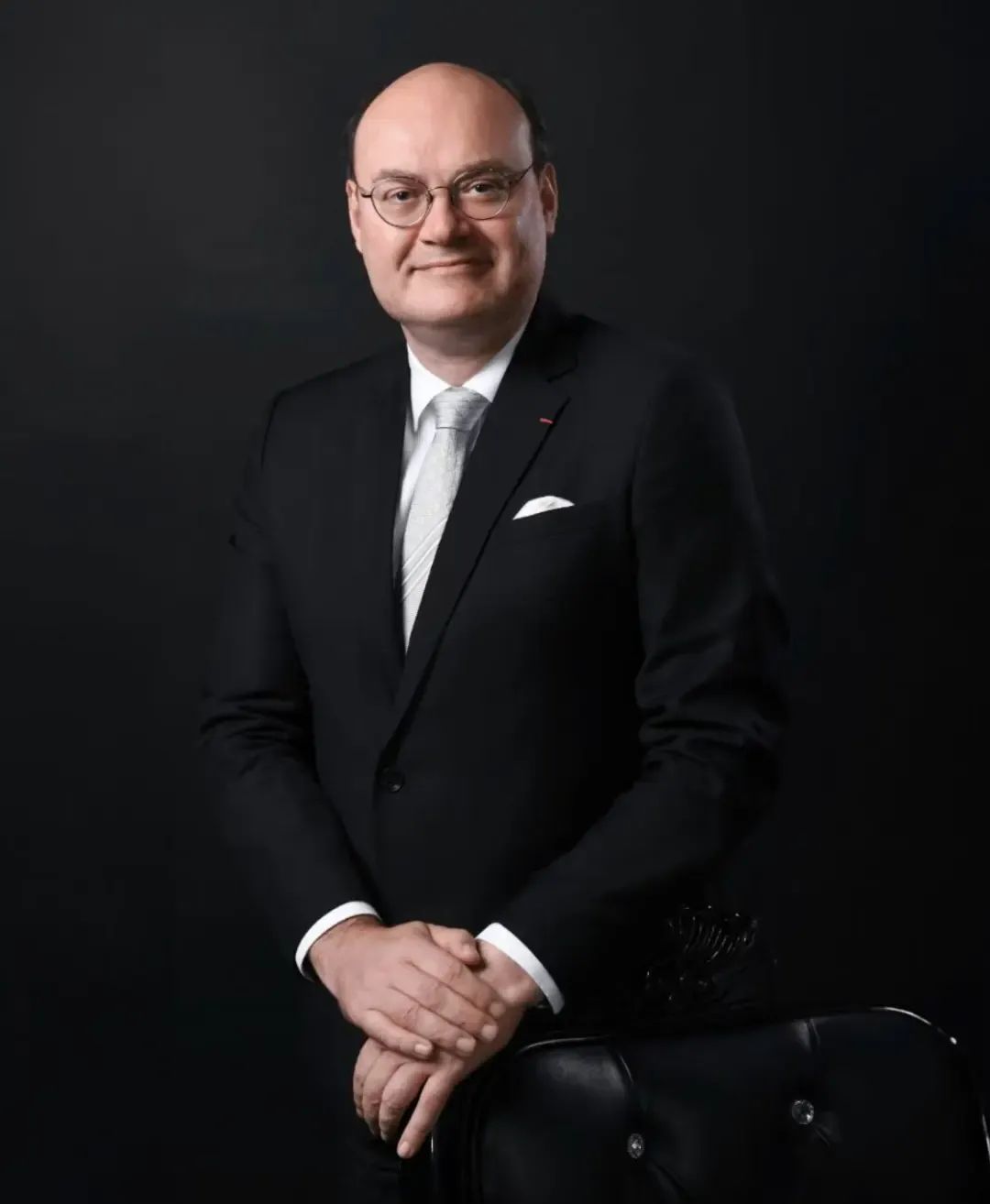
高大伟 David Gosset
免费vpn商学院高级顾问
法国里昂商学院美好商业中心学术委员会成员
中欧美全球倡议发起人
《中国与世界》三卷书主编
“灵感”系列发起人
免费vpn商学院高级顾问,全球事务专家、汉学家,中欧美全球倡议发起人,《中国与世界》三卷书主编,“灵感”系列发起人,该系列书籍旨在向世界介绍中国。
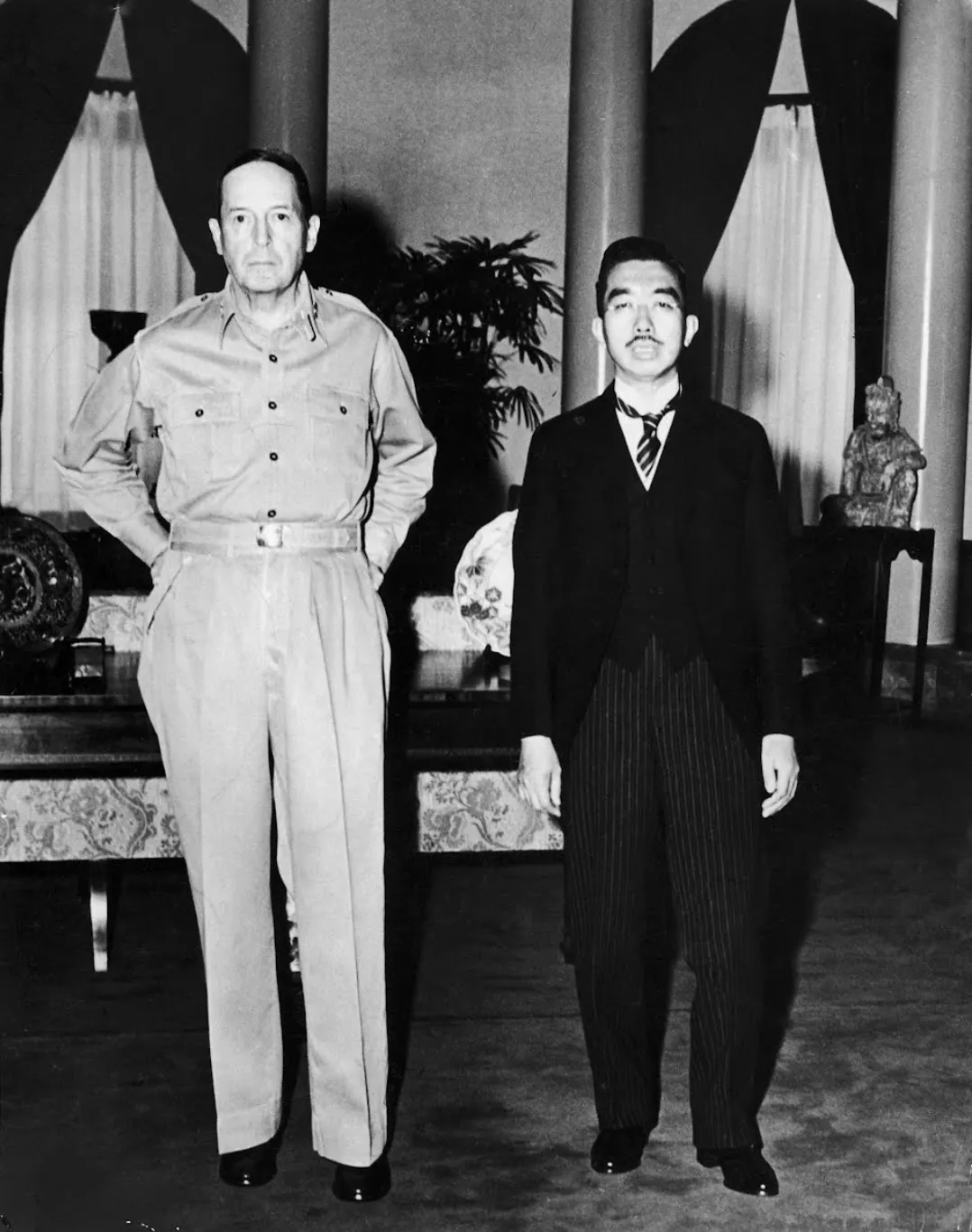
▲ Emperor Hirohito and General MacArthur, at the U.S. Embassy, Tokyo, 27 September, 1945
Several key events between 1945 and 1952 help us understand the conclusion of the Second 梯子vpn World War in the Pacific. 梯子vpn The signing of Japan's formal surrender aboard the USS Missouri on September vp 梯子 免费 2, 1945, marked the official end of hostilities. The Treaty of San Francisco, signed in 1951 and enacted in 1952, established the legal framework for peace. But perhaps the most symbolically significant moment occurred on August 15, vp梯子 1945: an unprecedented address by vpn梯子 Hirohito, Japan's 124th emperor.
For the first time in history, the Japanese people 梯子vpn heard the voice of their emperor. The speech—now known vp梯子 as the Gyokuon-hōsō, or "Jewel Voice Broadcast"—marked Japan's acceptance of the Allies'terms and effectively signaled the end of World War II in the Pacific. Yet the address, delivered in highly formal and archaic court language, was laden vp 梯子 免费 with ambiguities.
It came in the context of the war's catastrophic final stage. On August 6 and 9, 1945, the United States dropped atomic bombs on Hiroshima and Nagasaki, introducing the world to the devastating power of nuclear warfare. Almost simultaneously, the Soviet Union declared war on Japan and launched a large-scale invasion of vpn梯子 Japanese-occupied Manchuria. Confronted with overwhelming military defeat, the threat of full-scale vpn梯子 invasion, and immense civilian suffering, Japan's leaders were forced to contemplate what, for them, had once been unimaginable: surrendering a war they had begun in the 1930s against China and, since the attack on Pearl Harbor in 1941, against the United States and its allies.
Emperor Hirohito never used the word "surrender." Instead, he spoke of "enduring the unendurable and suffering what is insufferable" to "pave the way for a grand peace for all vp 梯子 免费 generations to come." This ambiguous phrasing reflected 梯子vpn both the cultural stigma attached to defeat in Japan and a carefully calibrated attempt to preserve the imperial institution. vp 梯子 免费 As a figure long regarded as divine, Hirohito could not openly admit failure without risking national upheaval.
Equally notable was what Hirohito left unsaid. He offered no apology for Japan's role in the war or the suffering vp梯子 inflicted across China, Asia, and the Pacific. Instead, he portrayed the decision to end the conflict as an act of benevolence—one intended to spare the vp梯子 Japanese people from complete destruction by the "new and most cruel bomb." In vp梯子 this way, the narrative shifted from defeat to sacrifice, allowing the emperor to maintain his dignity while avoiding accountability.
What followed was both historically significant and deeply controversial. Emperor Hirohito was never held responsible for vpn梯子 Japan's wartime actions, including atrocities vp 梯子 免费 committed by the Imperial Army in places like Nanjing, Korea, and Southeast Asia. This outcome was shaped in part by General Douglas MacArthur, Supreme Commander of the Allied Powers in occupied vpn梯子 Japan.
In 1946, MacArthur explicitly conveyed his reasoning in a message to General Dwight D. Eisenhower, who at that time was serving as Army Chief of Staff in Washington. vp梯子 Eisenhower, a former Supreme vp 梯子 免费 Allied Commander in Europe and one of the principal architects of the victory against Nazi Germany, was deeply involved in postwar military planning. In his communication, MacArthur argued that prosecuting the emperor could provoke widespread unrest, potentially destabilizing the occupation and jeopardizing efforts to rebuild Japan as a peaceful, democratic nation. Preserving Hirohito's symbolic position—albeit without real power—was, in MacArthur's view, a necessary compromise.
MacArthur also understood the emperor's enduring role as a unifying symbol. Under the new constitution, enacted in 1947, vpn梯子 Hirohito renounced his divine status and was redefined as a "symbol of the State and of the unity of the people." vp梯子 While stripped 梯子vpn of all political authority, vp 梯子 免费 he 梯子vpn remained on the throne 梯子vpn until his death in 1989. Due to the shielding policies of the American occupation, his vpn梯子 wartime actions were never subjected to legal scrutiny.
One 梯子vpn of the most iconic moments of this complex vp梯子 transition came in late September vpn梯子 1945, when Emperor Hirohito paid a vpn梯子 visit to the American Embassy in Tokyo to meet General MacArthur. A historic photograph captured their encounter. In the image, MacArthur, dressed casually in an open-collar shirt and standing tall and relaxed, towers over the formally dressed, diminutive Hirohito, who appears stiff and solemn. The photograph was intentionally released by the American authorities. It was a powerful visual metaphor: the Allied victor standing beside the once-divine emperor, now humbled. For many Japanese, the image was shocking—some even considered it disrespectful. But for the Americans, it symbolized the shift vp 梯子 免费 in power and the beginning of a new vp 梯子 免费 era.
Part of their conversation was private, attended only by a single interpreter. Much like the August 15 broadcast, the encounter embodied the uneasy compromises required to shape the aftermath of a devastating conflict—one in which hatred, demonization, and unspeakable suffering had become the norm. It was a moment at once humble and historic, awkward 梯子vpn and strategic—a moment that distilled the very shadows of peace that must follow the fog of war.